Choosing, Timing, and Tuning Your HVAC System for Year-Round Comfort
Assess your building’s envelope before shopping for equipment, because insulation, windows, and air sealing influence how large a system you truly need. An oversized unit short-cycles and wears out faster, while an undersized one strains on peak days. Right-sizing begins with a load calculation that considers square footage, orientation, and occupancy. Document existing duct conditions as well; leaks or restrictions can sabotage even the best new equipment.
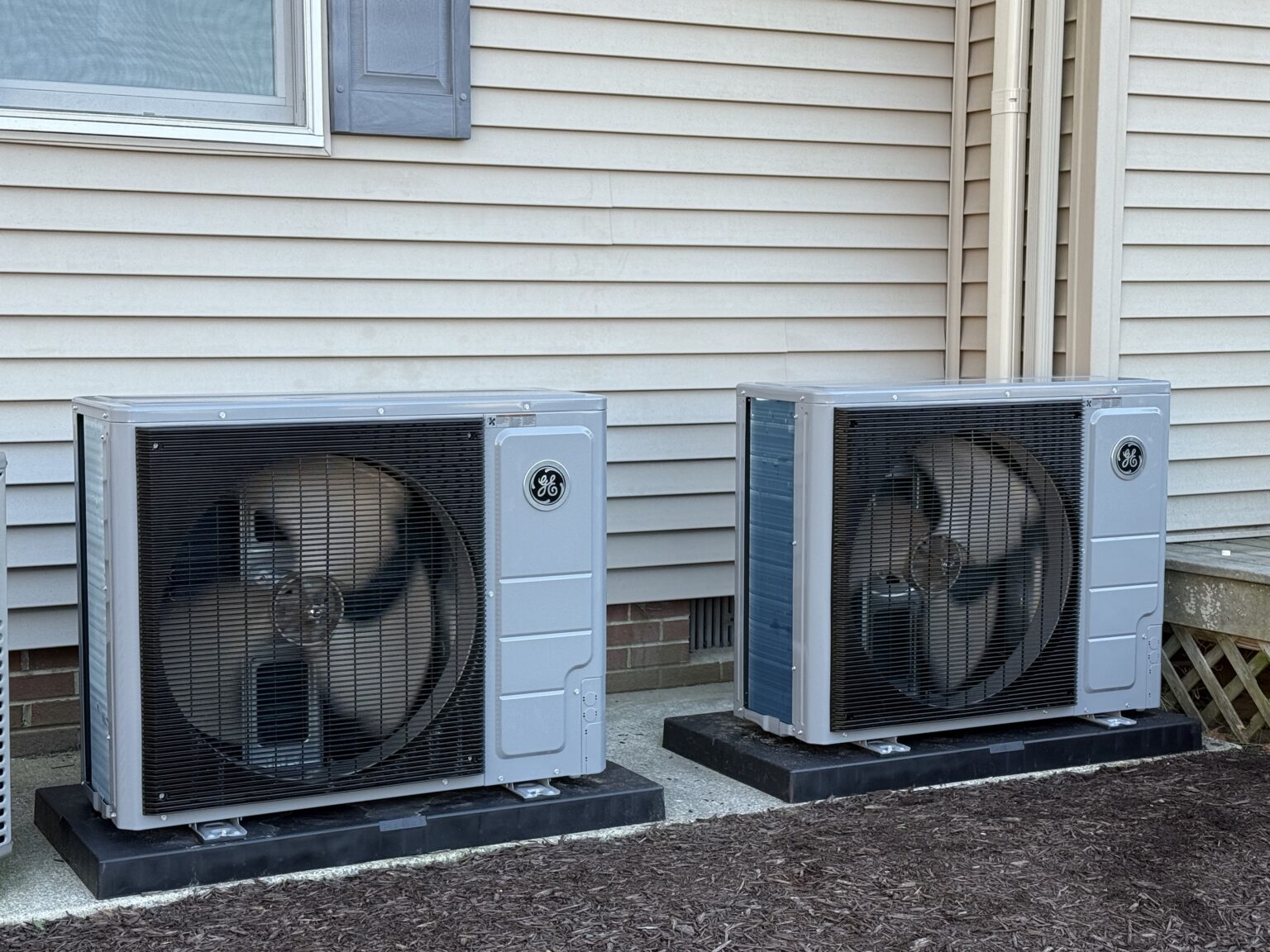
Meanwhile, scope your goals across comfort, energy use, and noise. Some households value room-by-room control, others prioritize lowest operating cost, and commercial spaces may emphasize ventilation and filtration. Align priorities early to guide whether you lean toward Heat Pump Installation, a high-efficiency furnace, or hybrid configurations. Quiet operation depends on fan design, compressor type, and duct layout, so validate acoustic needs alongside temperature targets.
Beyond that, phase your project around seasonal windows. Spring and fall shoulder seasons allow more flexible scheduling and less disruption, while extreme summer or winter can compress timelines. In practice, emergency replacement limits choices; planning ahead buffers risk by staging pre-purchase decisions, permits, and site readiness. Verify electrical capacity, condensate routing, and pad placement so installation day doesn’t stall on overlooked details.
Often, homeowners overlook airflow. Inspect supply and return sizing to ensure balanced pressure and adequate circulation. Then seal and, if necessary, redesign duct branches to serve distant rooms. Calibrate dampers and registers during commissioning to fine-tune temperatures across levels. For homes without ductwork or with room additions, Ductless Mini Split Installation can sidestep invasive remodeling while offering zoned control and efficient part-load operation.
However, efficiency is more than a label. Validate that thermostat location avoids drafts and direct sunlight, as poor placement causes erratic cycling. Maintain clearance around outdoor units for proper airflow and easier service. Sequence start-up checks: confirm refrigerant charge, verify static pressure, and test safety controls. Document model numbers and filter sizes for future reference, keeping manuals and warranties in a single, accessible folder.
Then explore Indoor Air Quality Services to complement temperature control. Filtration upgrades capture fine particles, while ventilation strategies dilute indoor pollutants. Humidity management protects finishes and comfort, especially in coastal or humid regions. Inspect the building for sources of moisture and contaminants before upsizing filtration, since overly restrictive filters can elevate static pressure. Balance cleaner air goals with airflow requirements to preserve equipment longevity.
Finally, budgeting benefits from a lifecycle view rather than upfront price alone. Compare expected energy consumption, maintenance intervals, and potential rebates. Heating Installation and Repair decisions may differ from cooling priorities; fuel availability, electric rates, and insulation levels influence the best value. Validate warranty terms and parts availability to reduce downtime risk. A modest upgrade today can avoid costly rework if you anticipate additions or future electrification.
In practice, maintenance is the difference between design intent and real-world performance. Schedule filter changes, coil cleaning, and drain inspections to prevent airflow loss and water damage. Inspect belts, electrical connections, and sensors annually, and refine thermostat schedules seasonally. For mixed-use properties, document usage patterns so service providers can tailor intervals. Reliable HVAC performance grows from small, consistent tasks rather than occasional overhauls.
Meanwhile, plan for resilience. Power fluctuations, heat waves, and cold snaps stress systems; surge protection and preventive checks before extreme seasons buffer failures. Validate that occupants understand basic indicators like unusual noises or rising utility bills. Early attention helps avoid compounded repairs. When issues arise, AC Installation and Repair expertise can restore function while uncovering root causes such as duct leakage or inadequate returns.
Beyond equipment, think long-term adaptability. Renovations, occupancy changes, and new technologies will alter load profiles. Keep as-built drawings, photos of hidden runs, and service logs to simplify future upgrades. Sequence improvements—envelope first, then mechanicals—to lock in efficiency gains. By staging decisions and maintaining clear documentation, you protect comfort, manage costs, and extend the useful life of your system.